

Hypothyroidism is a medical condition where the thyroid gland does not produce enough thyroid hormones, leading to symptoms such as fatigue, weight gain, and cold intolerance. While conventional medicine typically prescribes synthetic thyroid hormones to manage this condition, naturopathic practitioners recommend a holistic approach that includes dietary changes and supplements. In this blog, we will explore the best foods and supplements for hypothyroidism from a naturopathic point of view.
Foods for Hypothyroidism

- Coconut Oil: Coconut oil contains medium-chain triglycerides that can help support the thyroid gland’s function and improve metabolism. Use coconut oil for cooking and baking instead of vegetable oils.
- Sea Vegetables: Sea vegetables like kelp, dulse, and nori are excellent sources of iodine, which is essential for the production of thyroid hormones. However, be mindful not to overdo it with iodine, as too much can also have adverse effects on the thyroid gland.
- Bone Broth: Bone broth is rich in minerals like zinc, magnesium, and calcium, which are essential for thyroid health. It also contains gelatin, which can help support the digestive system and improve nutrient absorption.
- Fermented Foods: Fermented foods like kimchi, sauerkraut, and kefir are rich in probiotics that can help improve gut health and reduce inflammation, which can affect thyroid function.
- Leafy Greens: Leafy greens like spinach, kale, and collard greens are high in nutrients like magnesium, which can help support thyroid health.
Supplements for Hypothyroidism

- Ashwagandha: Ashwagandha is an adaptogenic herb that can help reduce stress levels and improve thyroid function. It can also help alleviate symptoms of fatigue and brain fog associated with hypothyroidism.
- Selenium: Selenium is a mineral that is essential for thyroid health. It helps convert thyroid hormones into their active form and reduces inflammation. Brazil nuts, seafood, and organ meats are good sources of selenium.
- Vitamin D: Vitamin D deficiency is common in people with hypothyroidism. Vitamin D supplementation can help improve thyroid function and reduce inflammation. It is also essential for bone health.
- Omega-3 Fatty Acids: Omega-3 fatty acids can help reduce inflammation and improve thyroid function. Fatty fish like salmon, sardines, and mackerel are good sources of omega-3s. Alternatively, you can take fish oil supplements.
- B Complex Vitamins: B vitamins, especially vitamins B12 and B6, are essential for thyroid health. They help regulate thyroid hormone production and reduce inflammation. Good sources of B vitamins include organ meats, leafy greens, and eggs.
In conclusion, naturopathic practitioners recommend a holistic approach that includes dietary changes and supplements to manage hypothyroidism. Including foods like coconut oil, sea vegetables, bone broth, fermented foods, and leafy greens can help support thyroid function. Supplementation with ashwagandha, selenium, vitamin D, omega-3 fatty acids, and B complex vitamins can also help manage symptoms and improve thyroid function. As always, consult with a healthcare professional before starting any new supplements or dietary changes.
Weekly Resources
Our Blog
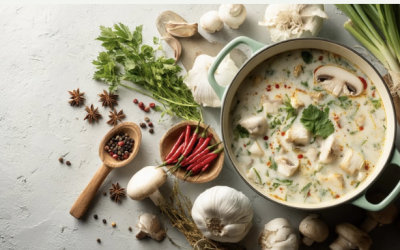
How Functional Foods Are Revolutionizing Meal Prep Beyond Basic Nutrition
What Are Functional Foods Functional foods are those that go beyond simply filling your stomach. They actively work to support specific systems in your body. Think of them as foods with purpose. These are nutrient rich ingredients that have demonstrated benefits such...

Grocery Store Ninja: Slay the Aisles in 30 Minutes or Less Without Wrecking Your Gut
Grocery Store Ninja: Slay the Aisles in 30 Minutes or Less Without Wrecking Your Gut You know that moment when you walk into the store for “just a few things,” and suddenly you’re $200 deep with a cart full of random stuff your body didn’t even ask for? Yeah. Been...
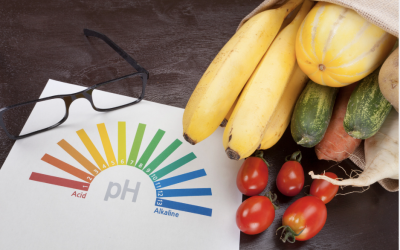
The Dangers of an Acidic Diet on Our Health and Hormones
In recent years, the impact of diet on overall health has garnered increasing attention. Among the various dietary concerns, the potential dangers of an acidic diet have become a focal point. An acidic diet, characterized by high consumption of processed foods, meats,...

Introducing Cleangoodeats Weekly Lunch Menus: Your Input Matters!
Dear Cleangoodeats Community, We're thrilled to announce an exciting new initiative aimed at enhancing your lunchtime experience – Cleangoodeats Weekly Lunch Menus! But before we finalize our offerings, we want to hear from you. Your feedback is invaluable in shaping...
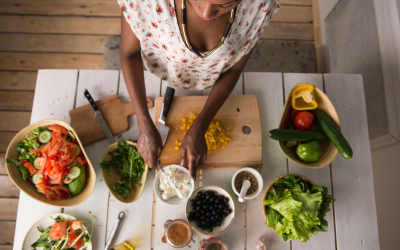
Turning Over a New Leaf: Why Women Over 40 Are Going Green
Embarking on a plant-based diet adventure in your fabulous 40s and 50s is like deciding to wear white after Labor Day. Society says you're too late, but deep down, you know it's the bold move your body has been craving. It's that daring step towards a lifestyle that...

Beyond the Bottle: The Health Benefits of Alcohol vs. Nonalcoholic Wines
In the ever-evolving landscape of health and wellness, the debate between alcoholic and nonalcoholic wines is pouring out into the open. Whether you're a connoisseur of the grape or simply someone curious about healthier lifestyle choices, understanding the nuances...
Address
1483 N. Dixie Hwy. Ste. B
Radcliff KY, 40160
Phone
502.233.3020
Recent Comments